Hub bearings are critical components of a vehicle’s chassis, allowing wheels to rotate smoothly while supporting weight, braking forces, and cornering loads. Although compact in size, modern hub bearings are the result of a highly precise and controlled manufacturing process. From raw steel wire to a sealed, ready-to-install assembly, every step directly affects durability, noise levels, and safety. Understanding how hub bearings are made helps explain why quality matters and why not all bearings perform the same in real-world conditions.
What Is a Hub Bearing and Why Manufacturing Quality Matters
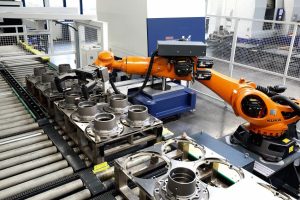
A hub bearing combines rolling elements, raceways, seals, and often the wheel hub itself into a single integrated unit. It must handle:
-
Radial loads from vehicle weight
-
Axial loads during cornering
-
Heat from brakes
-
Continuous rotation at varying speeds
Even small deviations in material quality or machining accuracy can lead to noise, vibration, or premature failure. That is why hub bearing production relies on tight tolerances and multi-stage quality control.
Step 1: Raw Material Selection and Steel Wire Production
The process begins with high-grade bearing steel, typically chromium alloy steel known for its hardness, fatigue resistance, and wear properties.
Key properties required from bearing steel:
-
High purity with minimal inclusions
-
Excellent hardenability
-
Resistance to deformation under load
Steel is first produced and drawn into wire or bar stock, which will later be formed into bearing rings and rolling elements.
Step 2: Forming the Bearing Rings
The inner and outer rings form the raceways where balls or rollers move. These rings are shaped using forging or rolling processes.
Ring manufacturing stages:
-
Cutting steel bar into blanks
-
Hot or cold forging into rough ring shapes
-
Rolling to improve grain structure
-
Turning on CNC machines for precise dimensions
Rolling the rings aligns the steel’s grain flow, significantly improving fatigue life compared to fully machined rings.
Step 3: Heat Treatment for Strength and Durability
After forming, bearing rings undergo heat treatment to achieve the required hardness.
Typical heat treatment steps include:
-
Austenitizing (heating to high temperature)
-
Quenching (rapid cooling)
-
Tempering (controlled reheating)
This process creates a hard surface with a tough core, allowing the bearing to resist wear while absorbing shocks.
Step 4: Precision Grinding and Superfinishing
Once hardened, rings are ground to extremely tight tolerances—often within microns.
Grinding operations focus on:
-
Raceway geometry
-
Surface roughness
-
Dimensional accuracy
Superfinishing further smooths the raceways, reducing friction and noise while improving lubricant film stability.
Step 5: Manufacturing Rolling Elements
Rolling elements — balls or rollers — are produced separately but with equal precision.
| Rolling Element Type | Manufacturing Method | Common Application |
|---|---|---|
| Steel balls | Cold heading + grinding | Passenger cars |
| Tapered rollers | Turning + grinding | SUVs, trucks |
| Cylindrical rollers | Precision machining | Heavy-duty hubs |
Each rolling element is graded and matched to ensure uniform load distribution inside the bearing.
Step 6: Cage Production
The cage keeps rolling elements evenly spaced.
Common cage materials:
-
Pressed steel
-
Polymer (plastic)
-
Brass (less common in hubs)
Cage design affects lubrication flow, noise levels, and high-speed stability.
Step 7: Assembly of the Hub Bearing Unit
In modern vehicles, hub bearings are often delivered as sealed units.
Assembly process includes:
-
Installing rolling elements into raceways
-
Fitting the cage
-
Applying precisely measured lubricant
-
Installing seals or shields
-
Press-fitting the hub flange (if integrated)
Clean-room conditions are often used to prevent contamination during assembly.
Step 8: Sealing and Lubrication
Seals are crucial for long service life.
Seal functions:
-
Keep grease inside
-
Prevent water and dirt ingress
-
Reduce friction
High-quality hub bearings use multi-lip rubber seals combined with corrosion-resistant coatings on metal surfaces.
Step 9: Quality Control and Testing
Before leaving the factory, hub bearings undergo extensive testing.
Common quality checks:
-
Dimensional inspection
-
Noise and vibration testing
-
Torque and rotational resistance measurement
-
Seal integrity tests
Only units that meet strict specifications are approved for sale.
Why Manufacturing Process Affects Real-World Performance
A well-manufactured hub bearing offers:
-
Quiet operation
-
Stable wheel alignment
-
Long service life
-
Reduced rolling resistance
Poor manufacturing, on the other hand, can result in early noise, ABS sensor issues, or even wheel play.
Replacement and Parts Selection
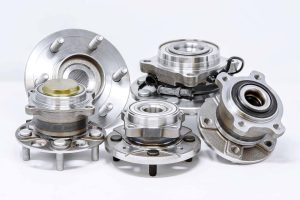
When replacement is necessary, choosing a hub bearing made with proper materials and manufacturing standards is essential. Inferior bearings may look identical but often lack proper heat treatment, surface finishing, or sealing quality.
For a wide selection of high-quality components designed for durability and precise fitment, you can Buy Wheel Hub & Bearings online to ensure reliable performance and long-term safety.
Conclusion
The manufacturing process of hub bearings is a complex journey that transforms raw steel wire into a highly engineered assembly capable of handling immense loads and harsh operating conditions. From material selection and forging to heat treatment, superfinishing, and final assembly, every step plays a critical role in performance and longevity.
Understanding how hub bearings are made highlights why quality matters and why investing in well-manufactured components pays off in smoother driving, reduced noise, and improved safety. Choosing properly engineered hub bearings ensures confidence on the road and dependable wheel performance mile after mile.