Wheel hubs and bearings are critical links between your vehicle’s suspension, braking system, and wheels. One often overlooked issue related to these components is hub runout. Even small deviations in hub alignment can have noticeable effects on braking performance, tire life, and steering feel. Understanding how hub runout occurs, how it affects vehicle behavior, and how to address it can help prevent costly repairs and ensure safe, smooth driving.
What Is Hub Runout?
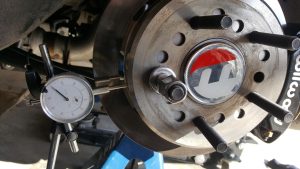
Hub runout refers to the amount of deviation from true rotation of the wheel hub. Ideally, the hub should rotate perfectly straight around its axis. When it doesn’t, the hub wobbles slightly, either laterally (side-to-side) or radially (up-and-down).
Main Types of Hub Runout
-
Lateral runout – side-to-side movement of the hub face
-
Radial runout – up-and-down variation in hub rotation
Both types can exist simultaneously and are often measured in millimeters using a dial indicator.
Common Causes of Hub Runout
Hub runout usually develops gradually, but it can also occur suddenly due to impact damage.
Typical causes include:
-
Bent or damaged wheel hubs
-
Worn or incorrectly installed wheel bearings
-
Corrosion or debris between hub and brake disc
-
Improper wheel or brake rotor installation
-
Impacts from potholes or curb strikes
Even minor imperfections can be amplified as vehicle speed increases.
How Hub Runout Affects Braking Performance
One of the most noticeable consequences of hub runout is uneven braking.
Braking Issues Linked to Hub Runout
-
Brake pedal pulsation
-
Steering wheel vibration during braking
-
Uneven brake pad and disc wear
-
Reduced braking consistency
When hub runout is present, the brake disc does not rotate evenly. This causes fluctuating contact between the brake pads and disc, often mistaken for warped brake rotors.
Hub Runout vs. Brake Disc Runout
| Issue | Root Cause | Common Symptom |
|---|---|---|
| Hub runout | Hub or bearing misalignment | Persistent vibration even after rotor replacement |
| Disc runout | Warped or uneven brake disc | Pulsation mainly during braking |
If hub runout is not corrected, replacing brake discs alone will not solve the problem.
Impact on Tire Wear
Hub runout directly influences how the tire contacts the road surface. When the hub rotates unevenly, the wheel and tire follow the same irregular path.
Tire Wear Patterns Caused by Hub Runout
-
Cupping or scalloped tread wear
-
Uneven wear across the tire surface
-
Premature tire replacement
Over time, this uneven contact increases rolling resistance and road noise, reducing comfort and efficiency.
Effects on Steering Feel and Handling
Steering feel depends heavily on consistent wheel rotation. Hub runout disrupts this balance.
Steering Symptoms to Watch For
-
Steering wheel vibration at specific speeds
-
Wandering or pulling sensation
-
Reduced on-center steering precision
-
Increased feedback on rough roads
These issues are often subtle at first but become more pronounced as bearings and tires wear further.
How Hub Runout Is Measured
Professional measurement is the most reliable way to diagnose hub runout.
Typical Measurement Process
-
Remove the wheel and brake disc
-
Attach a dial indicator to the suspension
-
Rotate the hub slowly by hand
-
Record maximum deviation
Acceptable Hub Runout Values
| Vehicle Type | Typical Maximum Runout |
|---|---|
| Passenger cars | 0.02–0.05 mm |
| SUVs & light trucks | 0.05–0.08 mm |
| Performance vehicles | As low as 0.02 mm |
Exceeding manufacturer specifications usually means corrective action is required.
Preventing and Correcting Hub Runout
While some causes are unavoidable, many can be prevented with proper maintenance.
Preventive Measures
-
Clean hub surfaces before installing brake discs
-
Torque wheel bolts evenly and to specification
-
Avoid driving aggressively over potholes
-
Inspect wheel bearings during brake service
Corrective Actions
-
Replace worn or damaged wheel bearings
-
Replace bent or corroded hubs
-
Re-measure runout after installation
-
Align wheels and check suspension components
Using high-quality replacement parts is essential for long-term reliability.
When Replacement Is the Best Solution
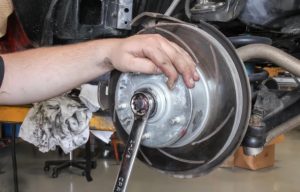
If hub runout exceeds allowable limits or continues to cause vibration after servicing, replacement is often the most effective fix. Modern wheel hubs are typically integrated with bearings, making replacement more reliable than repair.
For reliable replacement components, consider this resource: Buy Wheel Hub & Bearings online
Summary of Hub Runout Effects
| Area Affected | Result of Excessive Hub Runout |
|---|---|
| Braking | Pulsation, vibration, uneven wear |
| Tires | Cupping, reduced lifespan |
| Steering | Poor feedback, instability |
| Comfort | Increased noise and vibration |
Conclusion
Hub runout may seem like a minor technical detail, but its impact on braking performance, tire wear, and steering feel is significant. Left unchecked, it can lead to repeated brake issues, premature tire replacement, and reduced driving confidence. Accurate diagnosis, proper installation practices, and timely replacement of worn hubs or bearings are essential to maintaining smooth, safe vehicle operation. By addressing hub runout early and using quality components, drivers can protect their braking system, extend tire life, and restore precise steering feel.