Wheel hubs are essential structural components that support the wheel, house the bearing, and transfer loads between the suspension and the road. Modern vehicles use different hub construction materials depending on performance, weight targets, durability needs, and manufacturing methods. The three most common hub materials today are steel, aluminum, and hybrid (multi-material) designs.
Each material comes with distinct advantages and limitations. Choosing the right type or understanding what your vehicle uses helps ensure long-term reliability, proper wheel alignment, and optimal bearing life. This article explores how wheel hub materials differ, why manufacturers choose specific constructions, and what it means for drivers.
Steel Wheel Hubs: Strength and Durability First
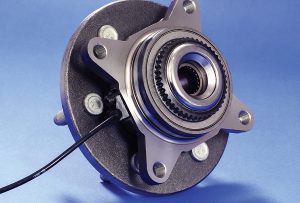
Steel hubs have been the industry standard for decades. Their robustness makes them ideal for vehicles that carry heavy loads or operate under harsh conditions.
Key Characteristics of Steel Hubs
-
Extremely durable under high stress
-
High resistance to impact and deformation
-
Cost-effective manufacturing
-
Excellent compatibility with press-fit bearings
-
Heavier than aluminum
Best Applications
-
Trucks and vans
-
Off-road vehicles
-
Heavy-duty fleets
-
Older or budget-oriented vehicles
Aluminum Wheel Hubs: Lightweight and Efficient
Aluminum hubs have become more common in modern cars, especially in electric, hybrid, and performance vehicles, where weight reduction is critical.
Advantages of Aluminum Hubs
-
Significantly lighter than steel (up to 40–60% reduction)
-
Improved fuel efficiency and range
-
Lower rotational inertia → better acceleration and braking response
-
High corrosion resistance
Potential Limitations
-
Not as strong under extreme mechanical loads
-
More sensitive to impact deformation
-
Higher manufacturing cost
Best Applications
-
Passenger cars
-
Electric and hybrid vehicles
-
Sports cars and performance models
-
Vehicles prioritizing comfort and efficiency
Hybrid Wheel Hub Constructions: The Best of Both Worlds
Hybrid wheel hubs combine the benefits of both steel and aluminum, often using:
-
Steel-bearing seats or flanges for strength
-
Aluminum outer housings for reduced weight
This construction helps withstand press-fit stresses while offering weight savings.
Characteristics of Hybrid Hubs
-
Optimized strength-to-weight ratio
-
Better thermal management than steel
-
More durable than pure aluminum designs
-
Ideal for advanced suspension and ABS sensors integration
Common Hybrid Designs
-
Steel inner ring + aluminum body
-
Steel flange + composite bearing housing
-
Multi-layer metal-matrix hubs
These are widely used in mid-range and high-end vehicles today.
Table: Comparing Wheel Hub Material Properties
| Property | Steel | Aluminum | Hybrid |
|---|---|---|---|
| Durability | ★★★★★ | ★★★★☆ | ★★★★★ |
| Weight | Heavy | Very light | Medium |
| Corrosion Resistance | Moderate | High | High |
| Cost | Low | Medium–High | Medium–High |
| Heat Dissipation | Moderate | Excellent | Good |
| Bearing Fit Strength | Excellent | Good | Excellent |
| Best For | Heavy-duty use | Efficiency | Balanced performance |
How Material Choice Affects Bearing Performance
The wheel hub material influences how long the wheel bearing lasts and how it performs under load.
Steel Hubs
-
Provide the most stable bearing support
-
Resist ovalization under load
-
Ideal for vehicles with large wheels or towing capacity
Aluminum Hubs
-
Require precision manufacturing to avoid deformation
-
Absorb heat more efficiently, reducing bearing overheating
-
Deep press-fit tolerances must be maintained perfectly
Hybrid Hubs
-
Maintain structural integrity even under strong lateral loads
-
Reduce thermal expansion issues common in aluminum hubs
-
Support modern ABS and wheel-speed sensor integration
Advantages and Disadvantages Summary
Steel Hubs
Pros:
-
Maximum strength
-
Low cost
-
Excellent for heavy loads
Cons:
-
Heavier
-
May rust
Aluminum Hubs
Pros:
-
Very lightweight
-
Rust-resistant
-
Great for efficiency and performance
Cons:
-
Softer material
-
More expensive
Hybrid Hubs
Pros:
-
Balanced performance
-
Excellent strength-to-weight ratio
-
Ideal for modern vehicles
Cons:
-
Higher complexity
-
Replacement cost can be higher
Which Material Is Right for Your Vehicle?
The choice depends on your vehicle type and driving style:
-
Daily commuting / fuel efficiency → Aluminum
-
Towing, off-road, heavy cargo → Steel
-
Balanced performance and modern tech → Hybrid
-
EV/hybrid vehicles → Aluminum or hybrid
If you replace hubs with a different material than OEM, you may affect ride quality, alignment, and bearing life. Always match the original design unless upgrading with a specific purpose.
Need Replacement Hubs or Bearings?
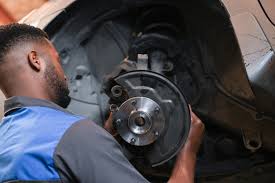
If your wheel hubs show signs of wear — noise, vibration, heat, or ABS issues — it’s best to replace them promptly.
You can Buy Wheel Hub & Bearings online here: Buy Wheel Hub & Bearings online
Conclusion
Wheel hub material is more than just a manufacturing detail — it directly affects durability, performance, handling, and fuel efficiency. Steel hubs offer maximum strength for demanding conditions, aluminum hubs prioritize weight reduction and efficiency, and hybrid hubs combine the advantages of both for modern, technology-rich vehicles.
Understanding the differences helps drivers make informed decisions when maintaining or replacing wheel hubs. Whether your priority is durability, performance, or efficiency, choosing the right hub material ensures long-term safety and optimal bearing performance.
When the time comes to replace your hub or bearing, make sure to choose a component that matches your vehicle’s original material and design. For dependable options, you can confidently Buy Wheel Hub & Bearings online and keep your vehicle performing at its best.