Electric vehicles (EVs) are rapidly transforming transportation with their promise of energy efficiency, reduced emissions, and advanced driving dynamics. A key technology enabling these benefits is regenerative braking, where kinetic energy from deceleration is captured and returned to the battery. While regenerative braking improves efficiency and reduces wear on traditional friction brakes, it introduces unique challenges for other vehicle systems — especially hub bearings. These critical components must withstand altered load profiles, thermal stresses, and new dynamic conditions that are largely absent in conventional internal combustion engine (ICE) vehicles.
What Are Hub Bearings?
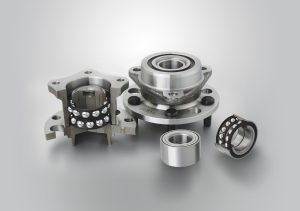
Hub bearings are precision-engineered rolling-element bearings located within the wheel hub assembly. They allow the wheel to rotate smoothly while supporting vehicle weight and enduring forces from braking, acceleration, cornering, and road surface irregularities.
Primary Functions of Hub Bearings
-
Support static vehicle weight
-
Enable smooth wheel rotation
-
Absorb radial and axial loads
-
Maintain precise alignment with minimal friction
In EVs, hub bearings often work in conjunction with integrated motors and advanced braking systems, making their performance even more critical.
Regenerative Braking: A New Load Profile
Unlike traditional friction braking, which uses brake pads and rotors to dissipate kinetic energy as heat, regenerative systems convert energy back into electrical power. This fundamentally alters the way loads are applied to the wheel assembly.
How Regenerative Braking Works
-
Driver initiates deceleration
-
Motor acts as a generator
-
Vehicle kinetic energy is converted to electrical energy
-
Energy is stored in the battery or supercapacitor
While regenerative braking reduces reliance on mechanical brakes, it increases the torque fluctuations experienced by hub bearings — especially during rapid transitions between regenerative and friction braking.
Challenges for Hub Bearings in EVs
EVs present several unique conditions that can affect hub bearing performance and durability:
1. Increased Torque Spikes
Rapid transitions between regenerative and mechanical braking create dynamic torque reversals that can:
-
Introduce shock loads
-
Affect bearing contact surfaces
-
Accelerate fatigue
2. Higher Vehicle Mass
EVs generally weigh more than ICE vehicles due to large battery packs. Increased mass results in higher:
-
Radial loads
-
Axial loads
-
Rolling resistance
| Factor | ICE Vehicle | Electric Vehicle | Effect on Bearings |
|---|---|---|---|
| Vehicle weight | Moderate | High | Increased load stress |
| Braking type | Friction only | Regenerative + friction | Torque variance |
| Heat dissipation | Higher (pads/rotors) | Lower mechanical heat | Alters lubrication behavior |
| Load reversals | Low | High | Bearing fatigue |
Specific EV Hub Bearing Stressors
1. Thermal Cycling
EV hub bearings experience varying thermal conditions due to:
-
Regenerative braking reducing mechanical brake heat
-
Ambient heat from motors and inverters
-
Low-speed driving and stop-start conditions
Temperature cycling affects lubricant viscosity, impacting bearing friction and wear.
2. Multi-Axis Loads
During regenerative braking, bearings are subjected to forces not only from radial loads but also axial and torsional loads. These multi-directional stresses intensify wear patterns and require bearings with robust design and material resilience.
3. Electrical Currents and Corrosion
EV motors may generate stray electrical currents that can pass through bearings if proper isolation isn’t provided. This phenomenon, often called electrical pitting, causes:
-
Surface degradation
-
Micro-cracking
-
Reduced bearing life
Engineering Solutions to EV Bearing Challenges
Automakers and bearing manufacturers are adapting designs and materials to meet EV demands:
1. Enhanced Lubricants
Lubricants formulated for EV applications must accommodate:
-
Wider temperature ranges
-
Lower friction coefficients
-
Longer service life
2. Improved Sealing Systems
Effective seals prevent:
-
Water intrusion
-
Dust and grit entry
-
Loss of lubricants
This is especially important in EVs where bearings are exposed to variable environmental conditions and torque loads.
3. Electrically Insulated Bearings
Electrical insulation minimizes stray current flow, reducing the risk of electrical pitting and extending service life.
4. Optimized Bearing Geometry
Advanced design approaches alter contact angles and rolling element profiles to:
-
Distribute load more evenly
-
Reduce stress concentrations
-
Enhance dynamic performance
Maintenance and Inspection in EVs
Even with engineered improvements, regular inspection remains critical. Best practices include:
Maintenance Checklist
-
Check for unusual noise or vibration
-
Monitor for increased friction or heat
-
Inspect seals for damage
-
Replace bearings at signs of wear early
-
Ensure proper torque values on wheel hub nuts
Selecting the Right Hub Bearings for EVs
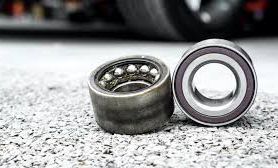
Because EVs present heightened demands on hub bearings, choosing high-quality components is essential. Look for:
-
Bearings designed for heavy loads
-
High-temperature and low-friction lubrication
-
Advanced sealing systems
-
Compatibility with regenerative braking systems
For dependable components suited to modern vehicle platforms, you can Buy Wheel Hub & Bearings online.
Conclusion
Regenerative braking in EVs offers improved energy efficiency and reduced wear on mechanical brakes, but it also introduces new stresses that challenge hub bearings. Increased torque spikes, greater vehicle mass, complex load profiles, and thermal variations all influence bearing wear and performance. Through advanced materials, optimized designs, superior lubricants, and proper maintenance, these challenges can be effectively managed. As electric vehicles continue to evolve, so will hub bearing technology — ensuring enduring performance, safety, and reliability. For high-quality components that meet these demands, be sure to Buy Wheel Hub & Bearings online. to support your EV’s longevity and driving comfort.