Hub bearings are essential components in any vehicle, but their design and performance requirements vary significantly between sport cars and economy cars. While both types of vehicles rely on hub bearings to support wheel rotation and load transfer, the demands placed on these parts are quite different due to variations in performance, handling, and driving conditions. Understanding these design differences helps consumers make better decisions when choosing replacement parts or upgrades — especially for high-performance or budget-conscious vehicles.
What Are Hub Bearings?
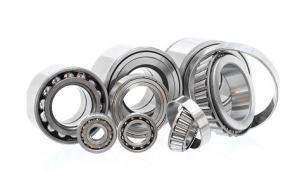
A hub bearing assembly is a sealed unit that integrates the wheel hub and bearing. It reduces friction, supports vertical and lateral loads, and enables smooth, stable wheel rotation. In many modern vehicles, wheel speed sensors for ABS and traction control are also integrated into the hub bearing assembly.
Performance Requirements: Sport Cars vs. Economy Cars
Core Differences
| Feature | Sport Cars | Economy Cars |
|---|---|---|
| Performance Focus | High-speed stability, sharp handling | Comfort, fuel efficiency |
| Load & Speed Tolerance | Higher | Moderate |
| Bearing Precision | Very high | Standard |
| Component Durability | Designed for track and aggressive driving | Daily commuting and light usage |
| Cost | Higher | Lower |
These differences stem from each vehicle’s intended use. Sport cars are engineered for rapid acceleration, high cornering forces, and stability at high speed. Economy cars prioritize cost-effectiveness, ride comfort, and fuel economy.
1. Load and Speed Tolerance
Sport cars regularly experience higher loads and greater wheel forces due to aggressive acceleration, braking, and cornering. This places increased demands on hub bearings.
Sport Cars
-
Experience high lateral and vertical forces
-
Require bearings with higher load ratings
-
Operate at higher rotational speeds
Economy Cars
-
Generally face lower dynamic loads
-
Have reduced rotational stress
-
Prioritize longer service life under normal driving
Load Capacity Comparison
| Specification | Sport Car Bearings | Economy Car Bearings |
|---|---|---|
| Radial Load Capacity | High | Moderate |
| Axial Load Capacity | High | Moderate |
| Max Safe Speed | Very high | Average |
Sport car bearings are engineered to withstand these extreme conditions without failure, while economy car bearings are optimized for everyday driving loads.
2. Precision and Tolerance
High-performance vehicles rely on tight tolerances to ensure exceptional handling and responsiveness.
Precision Attributes
-
Low running clearance: Reduces play for sharper handling
-
Tighter manufacturing tolerance: Minimizes vibration
-
Advanced sealing systems: Prevent contamination under stress
In contrast, economy cars use bearings with slightly larger tolerances, balancing cost and performance without sacrificing reliability.
3. Bearing Materials and Coatings
The materials used in sport car hub bearings often differ from those used in economy cars.
Material Differences
| Feature | Sport Car Bearings | Economy Car Bearings |
|---|---|---|
| Steel Grade | High-strength alloy | Standard automotive steel |
| Coatings | Advanced anti-friction/corrosion layers | Basic protective coatings |
| Heat Treatment | Precision hardened | Standard hardening |
Enhanced materials in sport car bearings improve resistance to heat, friction, and wear — critical for vehicles that are pushed to their limits.
4. Noise, Vibration & Harshness (NVH)
NVH considerations are treated differently in sport vs. economy vehicles.
Sport Cars
Sport cars often trade some NVH softness for performance. Bearings are designed for precision, not for filtering out every vibration, since drivers prioritize feedback and control.
Economy Cars
In contrast, economy cars emphasize comfort. Bearings are engineered to minimize noise and vibration during everyday driving.
NVH Features in Economy Car Bearings:
-
Quieter operation under city speeds
-
Smooth rotations for comfortable everyday use
5. Sealing and Contamination Protection
Different sealing technologies reflect the driving environment expectations of each car type.
Sport Car Hubs
-
Advanced seals to resist water, dirt, and heat
-
Designed for high-speed rotations and track conditions
Economy Car Hubs
-
Standard seals optimized for daily driving
-
Focus on lifetime wear resistance
Maintenance and Longevity
While both sport and economy car bearings require maintenance, the schedules differ.
Sport Car Bearing Considerations
-
Frequent inspections recommended
-
May require earlier replacement due to high loads
Economy Car Bearing Considerations
-
Longer service intervals under normal driving
-
Less frequent checks needed
Choosing the Right Hub Bearings
When replacing or upgrading hub bearings, it’s essential to choose parts that match your vehicle’s performance profile.
Selection Checklist
-
Vehicle type (sport vs. everyday driving)
-
Bearing load and speed ratings
-
Material and coating quality
-
Integrated sensor compatibility
-
Warranty and brand reputation
High-quality hub bearings not only improve safety but also optimize wheel performance and longevity.
If you’re looking for reliable replacement parts, check out this resource: Buy Wheel Hub & Bearings online
Practical Installation Tips
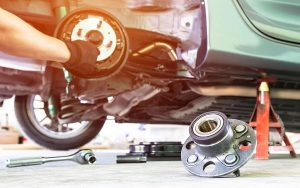
Installing hub bearings correctly is as important as choosing the right type.
Installation Best Practices
-
Clean mounting surfaces to avoid contamination
-
Use proper tools to avoid damage
-
Torque bolts to manufacturer specifications
-
Inspect seals and sensors
-
Verify wheel alignment after installation
Summary: Sport vs. Economy Hub Bearings
| Category | Sport Cars | Economy Cars |
|---|---|---|
| Load Capability | Very High | Moderate |
| Precision | Very High | Standard |
| Materials | High-grade alloys | Standard steel |
| NVH | Performance feedback | Comfort focus |
| Service Life | Shorter under stress | Longer under daily use |
Understanding these differences will help you make informed decisions about maintenance, replacement, and performance upgrades.
Conclusion
Hub bearings may be small, but their role in vehicle performance and safety is immense. Sport cars demand bearings with high load capacity, precision machining, and advanced materials to handle intense driving conditions. Economy cars, meanwhile, prioritize cost-effectiveness, durability under everyday use, and NVH comfort. Knowing these design differences can influence not only how your vehicle performs but also how long critical components remain reliable. Whether you drive a daily commuter or a high-performance machine, selecting the right hub bearings is essential for safety, comfort, and performance. Investing in high-quality parts and proper installation ensures that your wheels continue spinning smoothly, mile after mile.