Modern vehicles no longer rely solely on fixed mechanical designs for handling and comfort. Instead, advances in active suspension and adaptive chassis systems allow cars to dynamically respond to road conditions, driver inputs, and driving styles. At the heart of these systems lies a key component that often goes unnoticed: the wheel hub. While wheel hubs may seem like simple carriers of wheel assemblies, they play an indispensable role in how adaptive systems interpret motion, apply corrections, and deliver the smooth, precise ride that drivers expect.
This article explores how wheel hubs interact with active suspension and adaptive chassis technologies, how they influence vehicle performance, and why choosing high-quality hubs and bearings matters for system reliability and longevity.
What Is a Wheel Hub?
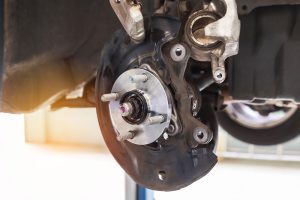
Before diving into complex systems, let’s define the wheel hub.
Wheel Hub – Key Functions
| Function | Role |
|---|---|
| Mounting point | Secures wheel and brake components |
| Bearing housing | Supports smooth wheel rotation |
| Sensor integration | Hosts wheel speed/ACC sensors |
| Load transfer | Transmits forces between wheel and chassis |
Wheel hubs may also include integrated wheel speed sensors used for anti-lock braking systems (ABS), traction control, and adaptive suspension feedback.
Active Suspension & Adaptive Chassis: A Quick Overview
Modern suspension systems go beyond passive springs and dampers. There are two key categories:
Active Suspension Systems
Active suspension uses actuators and sensors to add or subtract force at each wheel in real time.
-
Hydraulic or electric actuators
-
Constant body-level correction
-
Improved ride comfort
Adaptive Chassis Systems
Adaptive chassis systems adjust damping and stiffness based on:
-
Vehicle speed
-
Steering input
-
Road surface irregularities
-
Driver-selected modes (Sport, Comfort, Eco)
Together, these systems improve stability, handling, safety, and comfort.
How Wheel Hubs Influence Active Suspension
Wheel hubs are critical because they serve as the interface between the wheel assembly and the vehicle’s dynamic control system.
1. Sensor Feedback and Control Accuracy
Active systems rely on accurate data. Many wheel hubs incorporate wheel speed sensors and load inputs that feed into the suspension control unit.
Key Data from Wheel Hubs
-
Wheel rotation speed
-
Traction limits
-
Vibrational patterns
-
Wheel displacement relative to predicted motion
Without precise hub data, the active suspension may misinterpret road conditions, leading to:
-
Over-correction or under-damping
-
Reduced stability
-
Increased wear on suspension components
2. Hub Stiffness and Load Transfer
Rigid wheel hubs ensure consistent load transfer from the tire into the vehicle structure.
When hubs flex or have excessive runout:
-
Sensor readings become less accurate
-
Control algorithms receive distorted data
-
Adaptive systems respond sub-optimally
This affects not only ride comfort but also cornering stability and safety.
Adaptive Chassis Systems: Connecting Dynamics and Control
Adaptive chassis systems adjust suspension characteristics such as:
-
Damping
-
Spring rates
-
Anti-roll bar stiffness
These adjustments require precise real-time inputs from sensors integrated in wheel hubs.
Why Wheel Hubs Matter for Adaptive Chassis
| Aspect | Impact of Hub Performance |
|---|---|
| Ride Comfort | Smooth vertical tuning |
| Steering Response | Accurate input timing |
| Load Balancing | Correct cross-axle data |
| Handling | Precise traction and slip detection |
If a hub fails or sensors malfunction, the adaptive system may default to safe modes, degrading performance and comfort.
Common Issues Affecting Wheel Hub Performance
Wheel hubs are rugged, but they can deteriorate over time due to stress and wear.
Typical Problems
-
Bearing wear – increased friction and noise
-
Corrosion – affects mounting surface and sensor accuracy
-
Runout/misalignment – leads to feedback distortion
-
Sensor failure or damage – loss of vital data
These problems can directly degrade suspension and chassis performance.
Signs of Wheel Hub Problems in Active Systems
Drivers should watch for symptoms linked to hub issues in active suspension and adaptive chassis systems.
Common Warning Signs
-
Steering wheel vibration at specific speeds
-
Uneven or excessive tire wear
-
ABS or traction control warnings
-
Suspension jack-hammering on bumps
-
Loss of ride quality or adaptive response
-
Sensor-related error codes
Prompt diagnosis and repair help maintain system performance and safety.
Wheel Hubs and System Longevity
High-quality wheel hubs and bearings contribute to the longevity of adaptive systems. Cheap or sub-standard hubs may:
-
Wear out faster
-
Generate inaccurate data
-
Increase maintenance costs
Choosing reliable replacement or upgrade parts helps preserve suspension precision and reduce long-term expenditures.
If you’re looking for durable components to support your vehicle’s suspension and chassis systems, explore this resource: Buy Wheel Hub & Bearings online
Table: Comparing Hub Quality Levels
| Feature | Standard Hub | High-Quality Hub |
|---|---|---|
| Bearing life | Medium | Extended |
| Sensor integration | Basic | Precision optimized |
| Runout tolerance | Moderate | Tight |
| Corrosion resistance | Standard plating | Advanced coatings |
| Service life | Average | Long |
Investing in higher-quality hubs pays off in performance consistency and long-term reliability.
Installation Best Practices
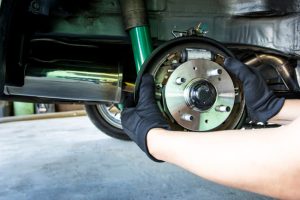
Hubs must be installed carefully to avoid issues:
Checklist for Proper Installation
-
Clean mounting surfaces thoroughly
-
Torque bolts to manufacturer’s specs
-
Verify sensor connectors and wiring
-
Run test diagnostics after installation
-
Check runout with precision tools
Proper installation ensures optimal communication between the hub and suspension control modules.
Conclusion
Wheel hubs play a pivotal role in active suspension and adaptive chassis systems. Far from being simple mounting points, hubs provide crucial sensor data, support load transfer, and influence the dynamic tuning of modern vehicles. Poor-quality or worn wheel hubs can distort sensor feedback, degrade ride quality, and compromise handling performance. By choosing high-quality components, installing them correctly, and monitoring for early warning signs, drivers can protect their vehicle’s advanced suspension systems and enjoy enhanced comfort, stability, and safety on every journey. Quality parts and precision maintenance are essential for optimized performance — and reliable hubs are where it all begins.