Wheel bearings are engineered to withstand constant rotation, heavy loads, and varying road conditions. However, one factor that significantly affects their performance and longevity is temperature. Both extremely high and extremely low temperatures can alter lubrication behavior, metal expansion, friction levels, and overall operational reliability. Understanding how thermal stress impacts wheel bearings helps drivers prevent failures and maintain vehicle safety.
How Temperature Influences Wheel Bearing Operation
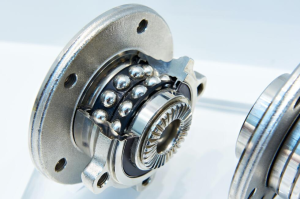
Wheel bearings rely on precision clearances, proper lubrication, and stable metal structure. When temperatures rise or fall beyond normal operating limits, these dependencies begin to shift, creating conditions for premature wear or catastrophic failure.
Key temperature-dependent factors:
-
Lubricant viscosity
-
Thermal expansion and contraction of metal surfaces
-
Moisture condensation in low temperatures
-
Heat-induced breakdown of seals
-
Accelerated wear at high rotational speeds
Effects of High Temperatures on Wheel Bearings
High heat is one of the most destructive forces for any rotating component. Wheel bearings are especially vulnerable due to their proximity to brakes, which can reach 400–500°C during aggressive driving.
Main consequences of high temperatures:
-
Lubricant Breakdown
Heat thins grease, causing it to lose its protective film. At extreme levels, grease may oxidize, carbonize, or leak out, leaving the bearing unprotected. -
Metal Expansion
Excessive heat causes bearing races and rollers to expand, reducing internal clearance and increasing friction. -
Seal Damage
Rubber seals harden or melt, allowing dirt and water to enter. -
Accelerated Fatigue
Prolonged high temperatures weaken bearing structure, increasing the likelihood of pitting and spalling.
Common high-temperature causes:
-
Aggressive braking or towing
-
Over-torqued axle nuts
-
Misaligned suspension
-
Faulty ABS tone rings causing drag
-
Worn brake components generating excess heat
Effects of Low Temperatures on Wheel Bearings
Freezing temperatures introduce a different set of challenges. Wheel bearings may become stiff or noisy during cold starts, especially in regions where temperatures fall below –20°C.
Main consequences of low temperatures:
-
Lubricant Thickening
Cold temperatures increase grease viscosity, reducing lubrication and increasing resistance. -
Metal Contraction
Shrinking components may create excessive internal clearance, causing clunking or vibration. -
Moisture Condensation
Water trapped inside the hub can freeze, cause micro-cracks, or degrade lubrication. -
Seal Hardening
Cold weather stiffens seals, reducing their effectiveness and leading to contamination.
Typical low-temperature symptoms:
-
Grinding noise during cold starts
-
Intermittent wheel vibration
-
Increased rolling resistance
-
Bearing noise that fades as the vehicle warms up
Temperature-Related Warning Symptoms
Drivers should act immediately if they notice any of the following signs:
-
Burning smell near the wheel
-
High-pitched humming or grinding noise
-
Hot wheel hub after short trips
-
ABS sensor failure warnings
-
Shaking or irregular steering response
Temperature Effects Summary Table
| Temperature Range | Lubrication Behavior | Bearing Condition | Typical Symptoms |
|---|---|---|---|
| High Heat (150°C+) | Grease thins or burns | Overheating, friction, seal failure | Burning smell, wheel wobble |
| Moderate Heat (60–150°C) | Normal operation | Optimal performance | None |
| Cold (0––20°C) | Thickened grease | Increased resistance | Noise during cold starts |
| Extreme Cold (below –20°C) | Very high viscosity, possible freezing | Premature wear | Grinding, vibration |
Preventing Temperature-Related Wheel Bearing Failures
To maintain stable wheel bearing performance, drivers should follow preventive practices:
Maintenance Tips
-
Keep brake components in perfect condition
-
Avoid overloading or towing beyond limits
-
Select high-temperature-resistant wheel bearing grease
-
Replace worn seals promptly
-
Inspect hubs every 20,000–30,000 km
When Replacement Is Necessary

If the bearing shows signs of overheating, contamination, or structural wear, replacement is the safest option. Quality replacement parts ensure long-term, temperature-resistant performance.
You can find reliable components here: Buy Wheel Hub & Bearings online
Conclusion
Extreme temperatures — both high and low — play a critical role in determining wheel bearing lifespan. High heat accelerates wear, breaks down grease, and damages seals, while cold weather thickens lubrication, increases rolling resistance, and stresses internal components. Knowing how temperature affects wheel bearings allows drivers to detect early symptoms, prevent dangerous failures, and maintain safe, efficient vehicle operation.
If you ensure regular inspections, choose high-quality components, and monitor temperature-related warning signs, your wheel bearings can deliver long-term, reliable performance regardless of the climate.